
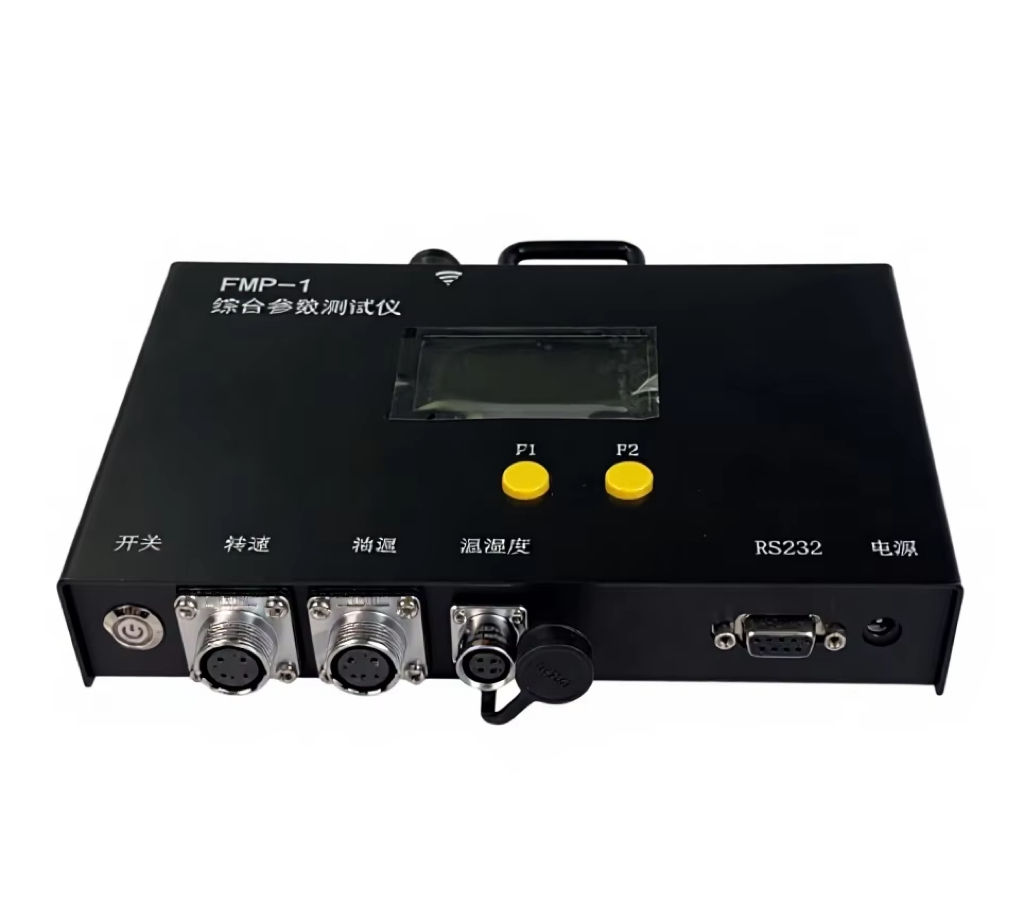
One instrument for RPM, oil temperature, temperature/humidity and pressure
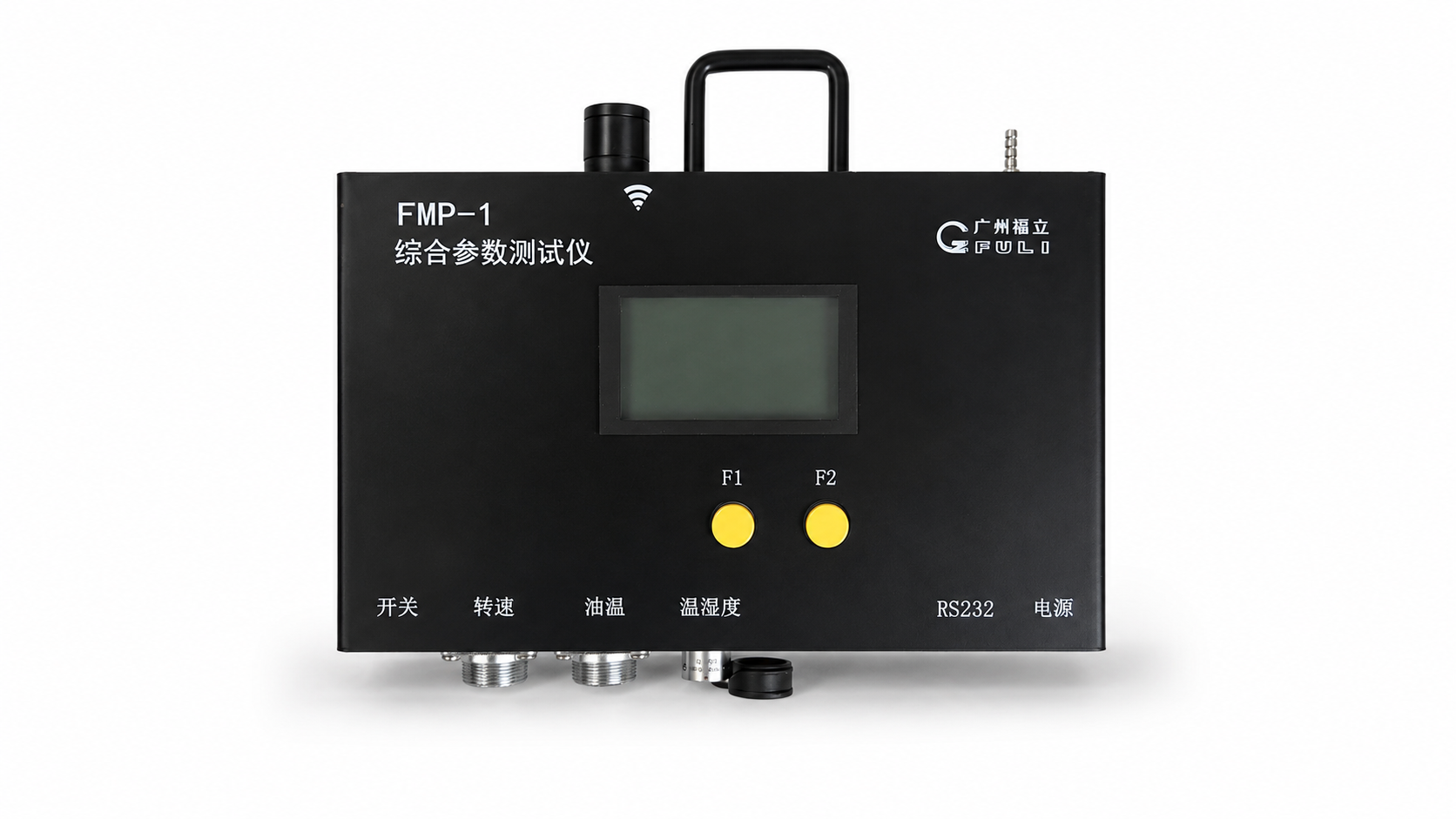
Supporting measurement and interfaces
FMP-1
Multi-Parameter Tester
Combines engine RPM, oil temperature, ambient temperature/humidity and barometric pressure with RS-232 or Wi-Fi data transfer.
FMP-1 brings common auxiliary test parameters into one portable instrument. RPM is measured through a magnetic vibration probe and spectral algorithm, while oil temperature uses a PT100 probe. It is suitable alongside emissions, smoke and field tests.
Ambient temperature: −20–60°C; 0.1°C; ±0.5°CRelative humidity: 5–99% RH; 0.1% RH; ±3% RHBarometric pressure: 70–106 kPa; 0.01 kPa; ±1 kPa
Equipment features
Which FMP-1 functions matter in daily testing?
Start with the test task, then verify measured items, operating workflow and data connection. FMP-1 brings common auxiliary test parameters into one portable instrument. RPM is measured through a magnetic vibration probe and spectral algorithm, while oil temperature uses a PT100 probe. It is suitable alongside emissions, smoke and field tests.
Magnetic vibration probe without ignition-system connection
PT100 oil-temperature measurement
RS-232 and Wi-Fi communication
Technical data
Which technical data should be checked before selecting the FMP-1?
The configuration review should cover range, permissible error, response, operating environment, power and communications, matched line by line to the project's test method and acceptance documents.
Ambient temperature−20–60°C; 0.1°C; ±0.5°C
Relative humidity5–99% RH; 0.1% RH; ±3% RH
Barometric pressure70–106 kPa; 0.01 kPa; ±1 kPa
Engine RPM300–9,000 rpm; 1 rpm; ±10 rpm or ±1%
Oil temperature30–150°C; 0.1°C; ±2°C
Update interval0.5 s
PowerInternal lithium battery / 12 V DC
CommunicationRS-232 (19,200, 8N1) / Wi-Fi
Dimensions and weight250 × 205 × 150 mm; approx. 1 kg
Supply and options
What is supplied with the FMP-1, and which items are optional?
The standard supply covers the basic measurement; sensors, communication modules, installation parts and printing accessories are confirmed according to vehicles, station layout and system interfaces.
What arrives in the standard supply?
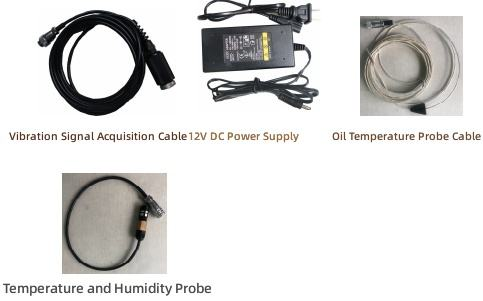
- Main instrument
- 12 V DC power supply
- User manual
Which accessories must be selected for the project?
- Vibration RPM probe
- PT100 oil-temperature probe
- Communication accessories by measurement task
What technical and after-sales support is available after delivery?
The main unit, accessories, interfaces and documents are checked before delivery. Installation, operation training, troubleshooting, repair and spare-parts support are available during service; scope is confirmed with the order and project location.
View after-sales supportFAQ
What should buyers confirm before ordering the FMP-1?
Before ordering, confirm configuration, accessories, interfaces, delivery documents and after-sales scope. Local rules, approvals and system protocols remain subject to project documents and responsible authorities.
Comparison and selection
How should the model, configuration and quotation scope be compared?
When selecting the FMP-1, is the model name or test procedure more important?
The test procedure comes first. Confirm vehicle class, procedure and result units, then match the FMP-1 range, error, response and interfaces line by line.
Which data should be compared first between the FMP-1 and similar equipment?
Compare the data that directly affects the test result first: Ambient temperature −20–60°C; 0.1°C; ±0.5°C, Relative humidity 5–99% RH; 0.1% RH; ±3% RH, Barometric pressure 70–106 kPa; 0.01 kPa; ±1 kPa, Engine RPM 300–9,000 rpm; 1 rpm; ±10 rpm or ±1%. Then review communications, environmental limits, accessories and maintenance.
Should the FMP-1 be ordered in standard configuration or with options?
Use the standard configuration when it completes the required measurement and interfaces correctly. Add options only for a defined test, data or installation need. Available items include Vibration RPM probe, PT100 oil-temperature probe, Communication accessories by measurement task.
Is the FMP-1 better used independently or integrated into a test station?
It depends on the task. The FMP-1 is used for Auxiliary data for emissions and opacity testing, Mobile and field testing, Workshop diagnosis and research testing; station integration also requires confirmation of Power: Internal lithium battery / 12 V DC, Communication: RS-232 (19,200, 8N1) / Wi-Fi and host-system data fields.
How can two FMP-1 quotations be compared on an equal scope?
Compare main-unit version, measured items or ranges, sensors, sampling and installation parts, communications, documents, training, warranty and spares; model name and total price alone are not enough.
Compliance and operating concerns
What must be confirmed for compliance, interfaces and site conditions?
Do the listed FMP-1 ranges prove compliance with local regulations?
No. Local suitability also depends on the prescribed procedure, permissible error, approval route, software workflow, calibration and authority acceptance.
Can the FMP-1 connect to an existing inspection system?
An available port does not guarantee plug-and-play integration. Current interfaces are Power: Internal lithium battery / 12 V DC, Communication: RS-232 (19,200, 8N1) / Wi-Fi; confirm protocol, baud rate, fields, units, equipment identity, calibration status and error recovery.
Can the FMP-1 be used in hot or humid conditions?
Use it within the manual's operating limits, currently recorded as the site conditions confirmed with the order. Humidity, dust, condensation or large temperature changes may require ventilation, protection and stable warm-up confirmed with the order.
Which calibration and quality records are needed to accept the FMP-1?
Check serial number, packing list, manual, factory inspection records, calibration or verification requirements, software version and interface test records. The contract and local acceptance procedure define the final list.
How can a configuration mismatch be avoided before ordering the FMP-1?
Provide vehicle class, test procedure, required items, result units, daily throughput, station dimensions, power, system interface and destination-country requirements before quotation, then record them in the technical confirmation.
Application scenarios
Which vehicles, stations and operating settings suit this equipment?
Which vehicles and test tasks are the main fit for the FMP-1?
Combines engine RPM, oil temperature, ambient temperature/humidity and barometric pressure with RS-232 or Wi-Fi data transfer. Typical applications include Auxiliary data for emissions and opacity testing, Mobile and field testing, Workshop diagnosis and research testing. Final configuration still depends on vehicle fuel, test procedure and result interface.
Can the FMP-1 be used at a vehicle inspection station?
It can serve the matching test task, but an inspection-station project must also confirm the local statutory method, equipment approval, calibration interval, data connection and site acceptance.
Is the FMP-1 suitable for workshop or dealer after-sales testing?
Yes when the post-repair check matches the FMP-1 measurement capability. Workshops should also review operating speed, consumables, fault indication, result storage and repeatability.
Can the FMP-1 be used for mobile or field testing?
Mobile use depends on weight, power, warm-up or mounting requirements and environmental stability. Also confirm transport protection, sampling or installation space and data return.
Which equipment may need to work with the FMP-1 to complete a test?
It depends on the workflow. Common combinations involve RPM, oil temperature, environmental data, sampling accessories, a host computer or other station equipment. Map the test steps before fixing the list.
Delivery and after-sales
How are supply, training, repair and spare parts arranged?
What is normally included with the FMP-1?
The current standard-supply record includes Main instrument, 12 V DC power supply, User manual. Quantities, lengths and inclusion are governed by the final packing list.
Are installation and operator training available for the FMP-1?
Installation wiring, initial setup, operating workflow and routine checks can be supported. On-site or remote format, language, schedule and cost should be stated in the order.
How is technical support handled if the FMP-1 develops a fault?
Provide model, serial number, software version, alarm details, site photos or video, operating steps and measurement records so support can decide on remote action, repair return or parts replacement.
How are consumables and spare parts confirmed for the FMP-1?
Build the list from usage rate, environment and maintenance interval, recording specifications and suggested quantities for filters, sensors, probes, cables, seals and other wear parts.
What information is needed for an accurate FMP-1 quotation and lead time?
Provide destination country, end-user type, vehicle scope, test procedure, required parameters, quantity, options, interfaces, document language, delivery point and target date. Accurate scope follows complete information.
Related equipment
Which related equipment may be needed to complete the test configuration?
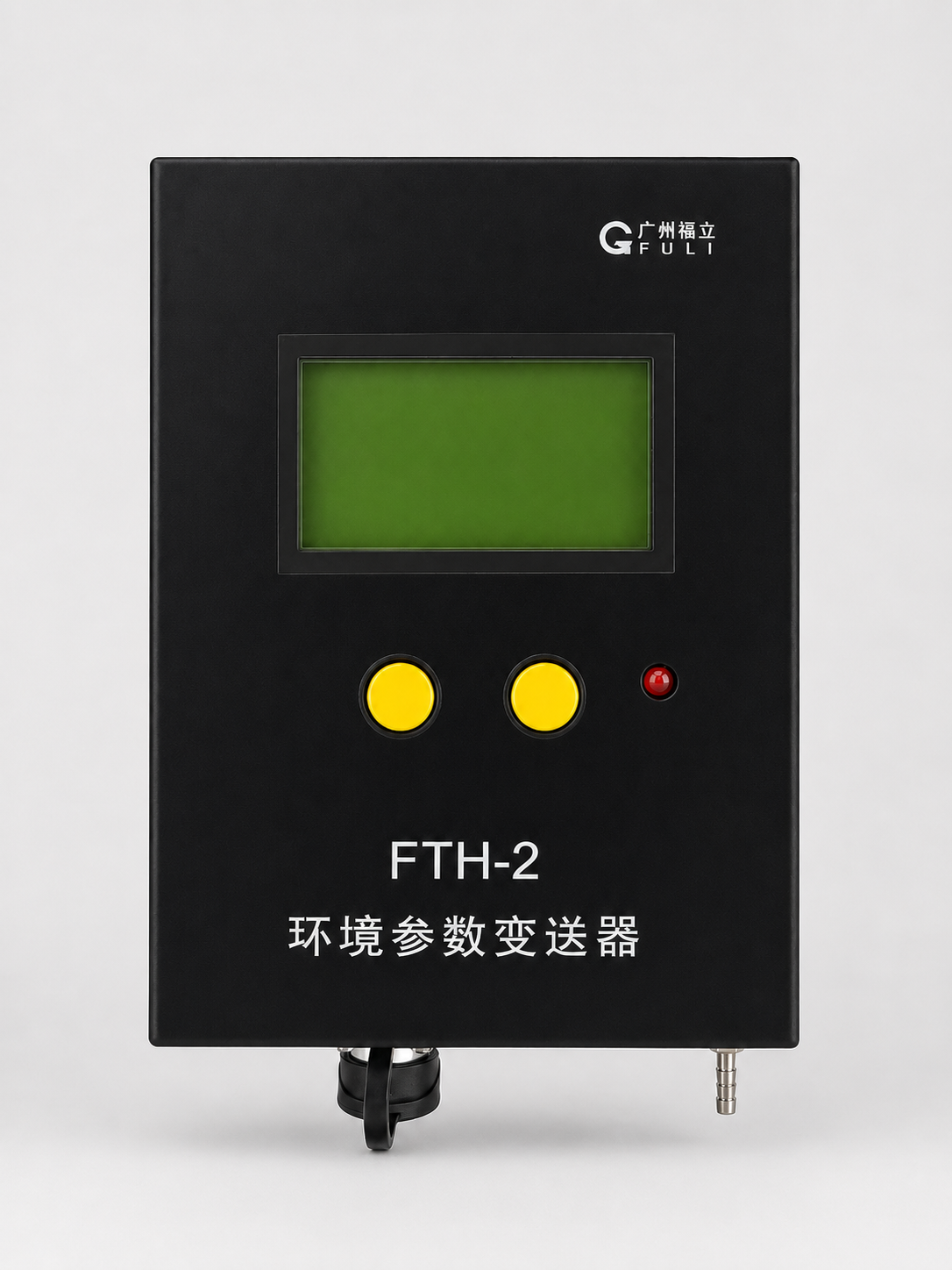
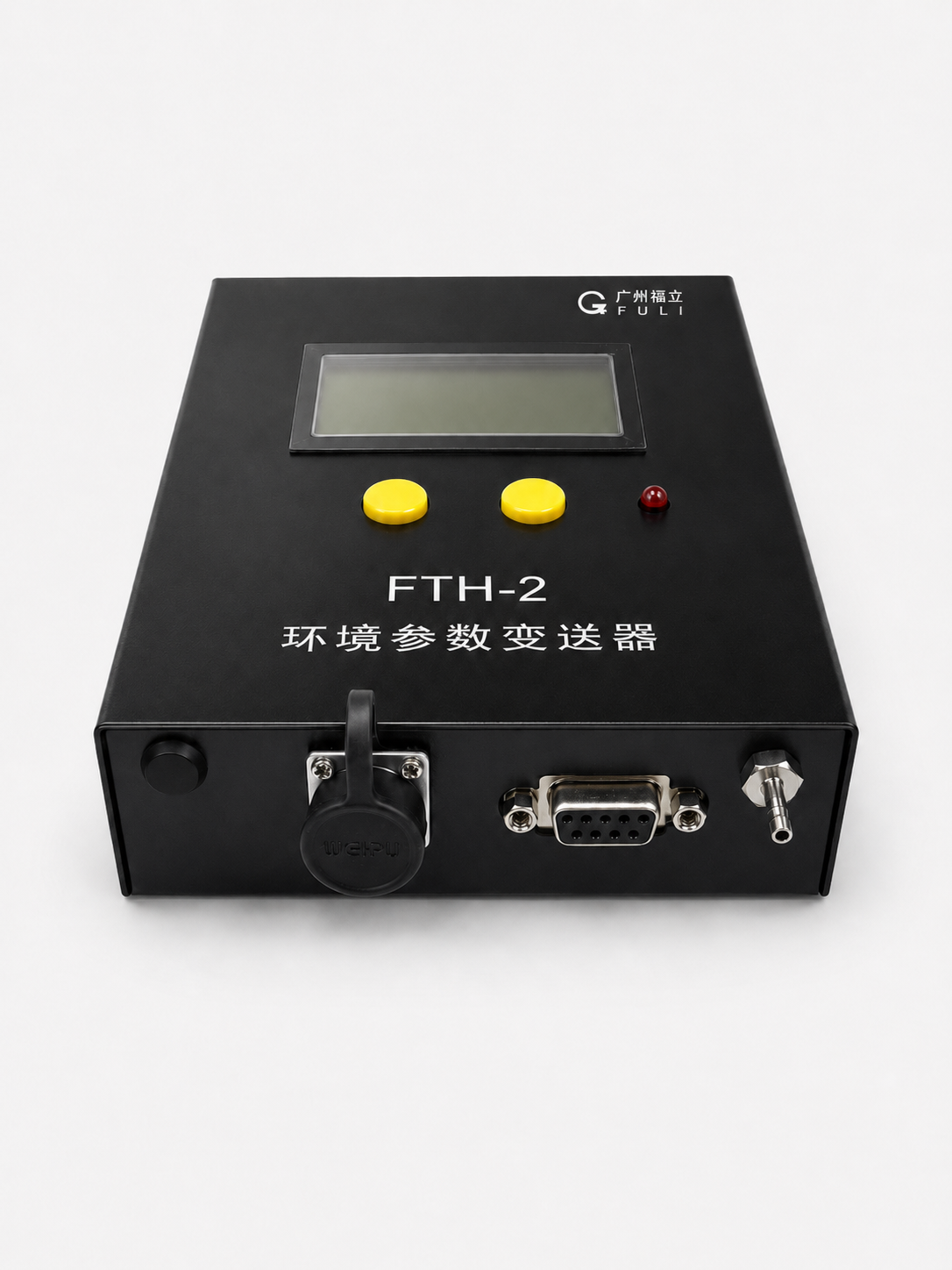
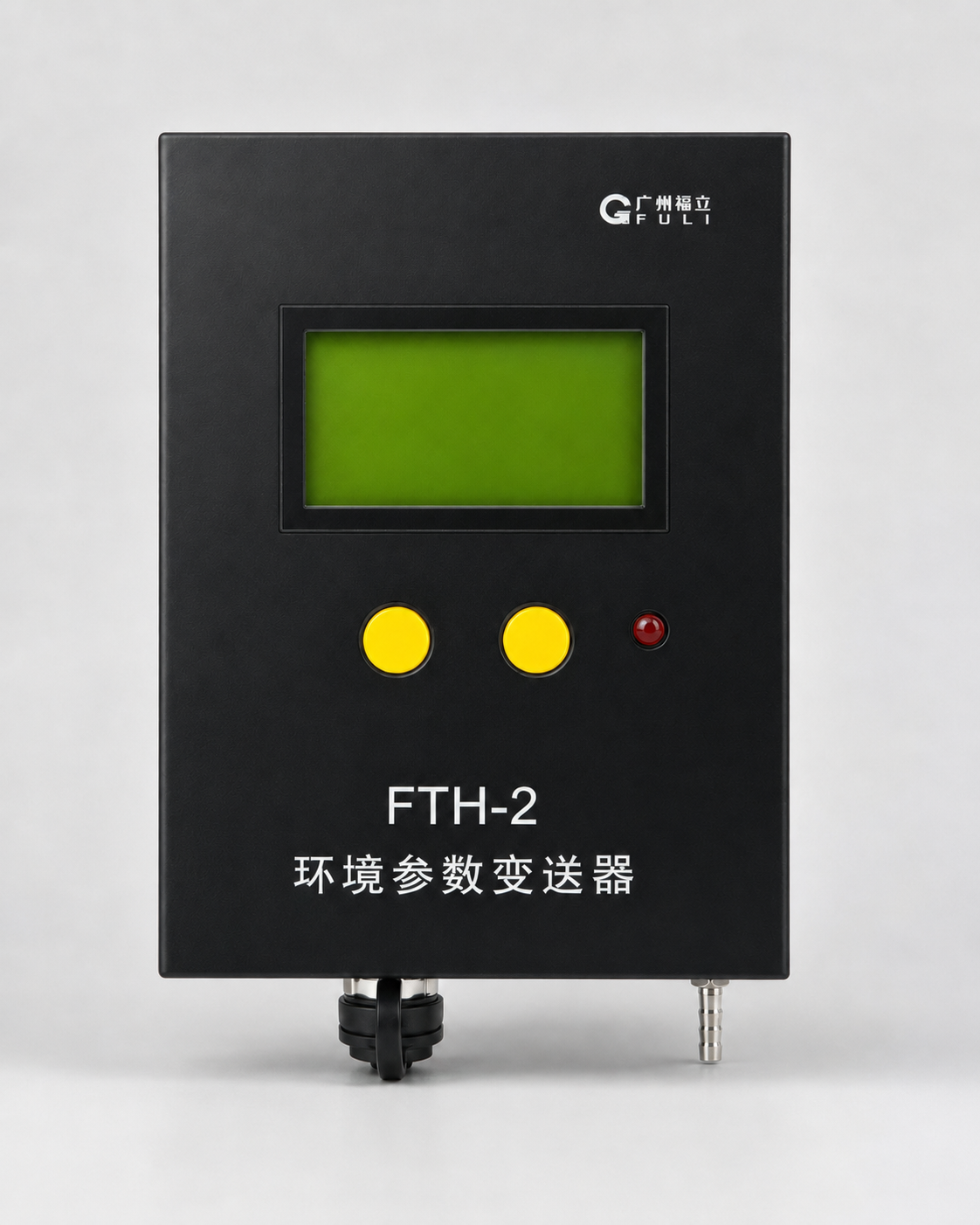
FTH-2
Environmental Parameter Transmitter
Fixed measurement of ambient temperature, relative humidity and barometric pressure with RS-232 data output.
Ambient temperature: −20–70°C; 0.1°CRelative humidity: 0–100% RH; 0.1% RH
View Details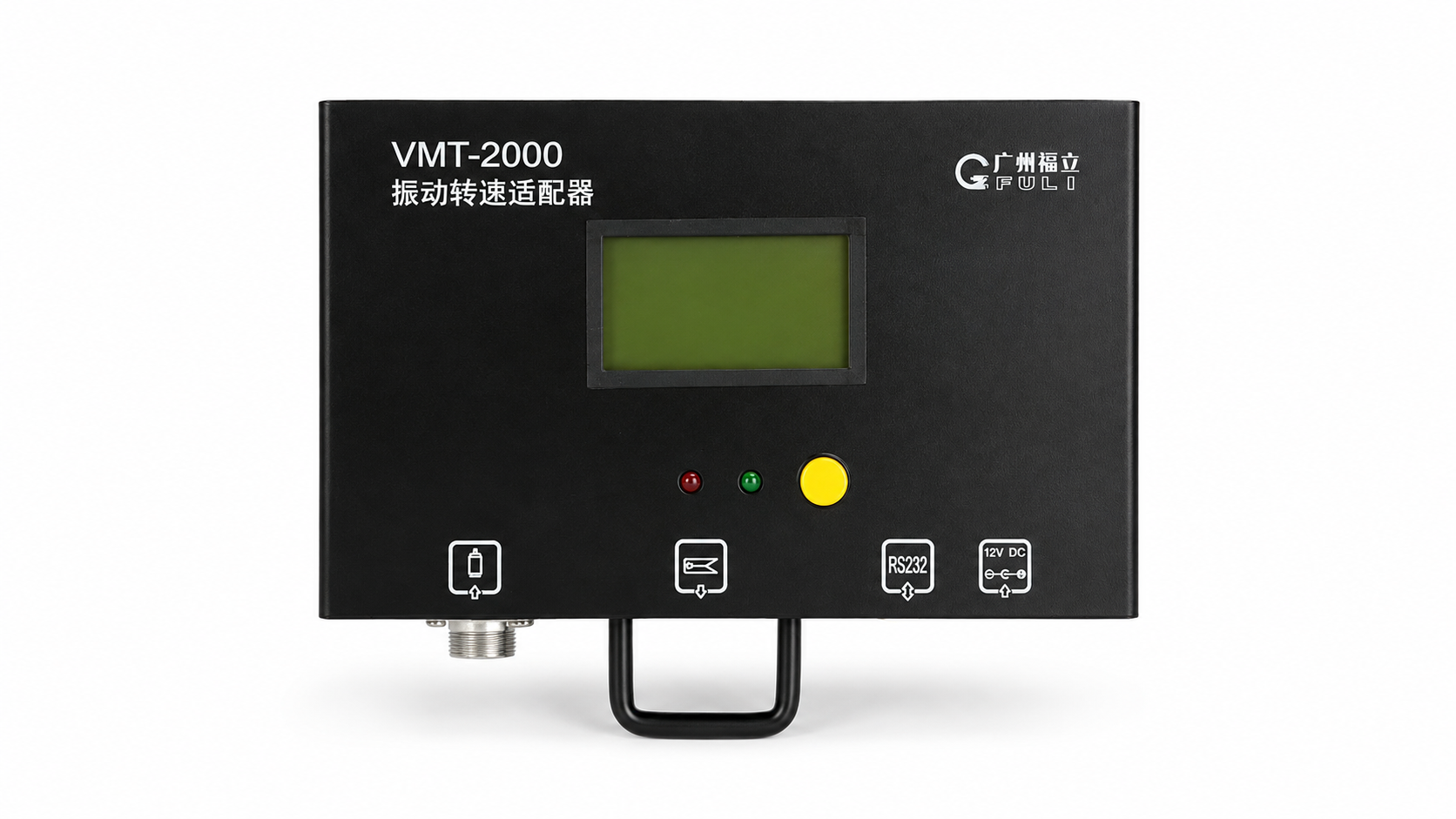
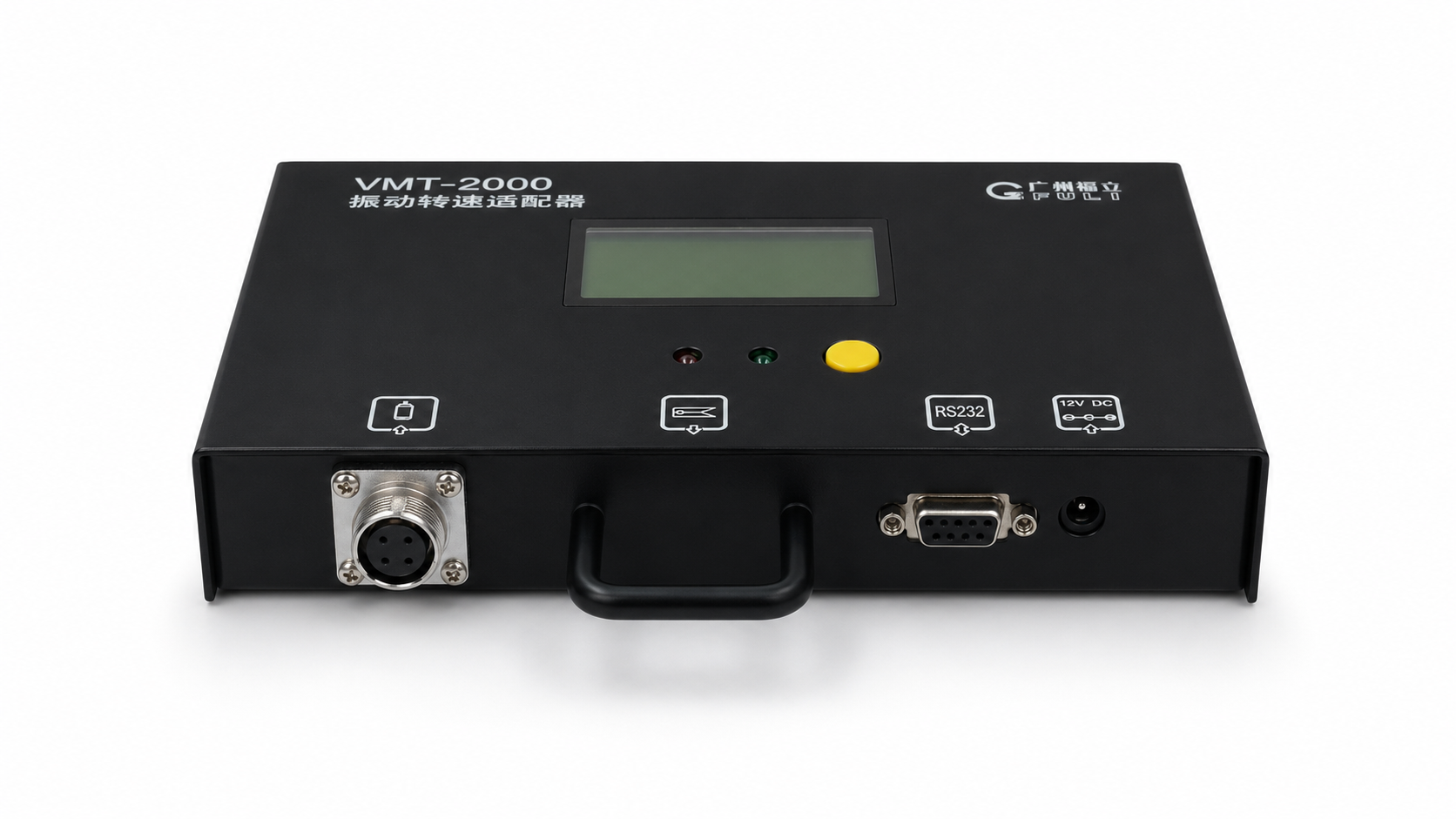
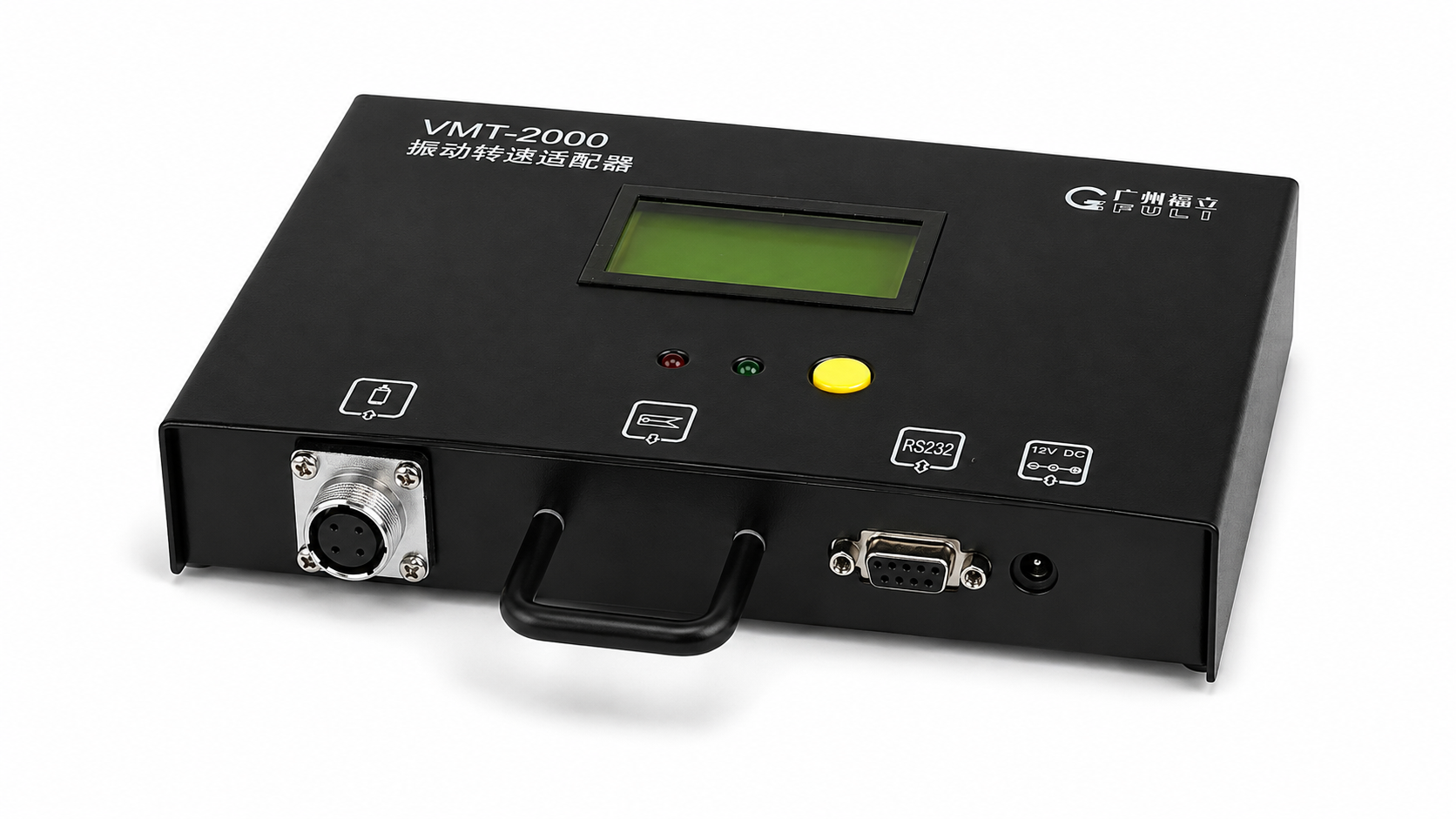
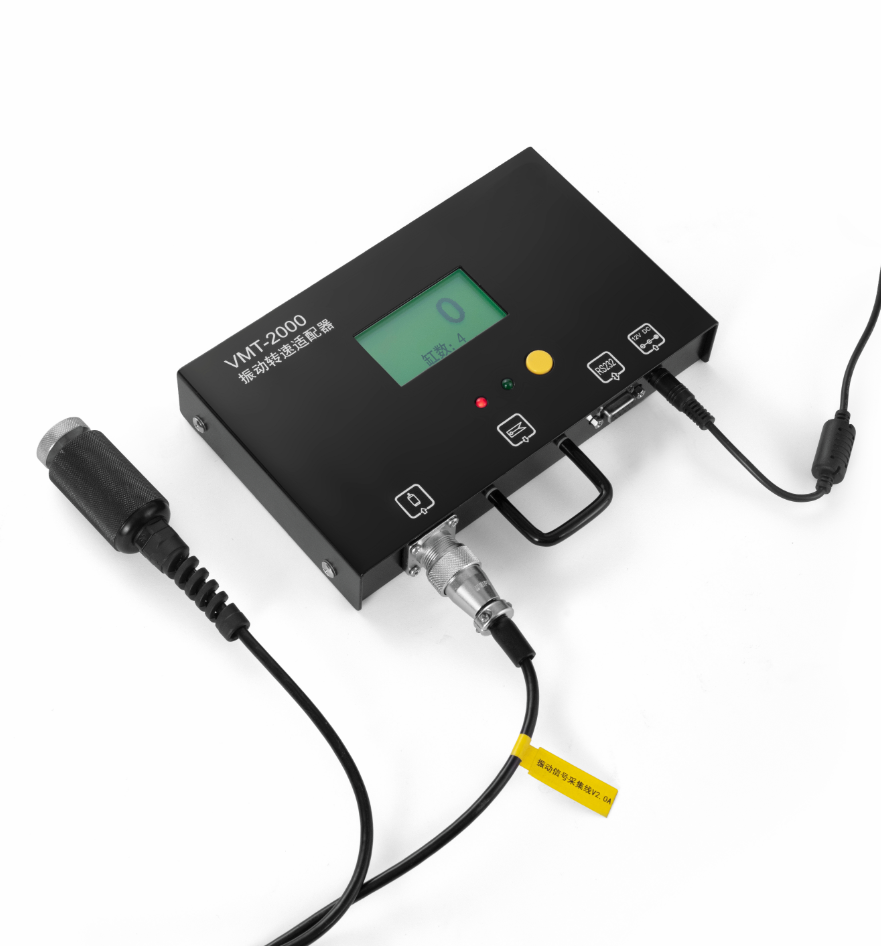
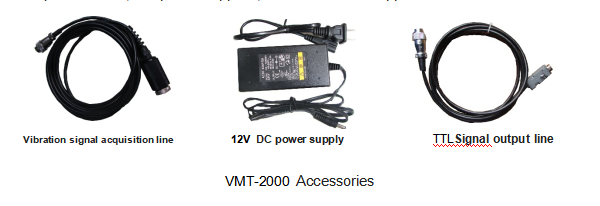
VMT-2000
Vibration RPM Adapter
Acquires gasoline- or diesel-engine RPM from surface vibration without connection to the ignition circuit.
RPM range: 360–10,000 rpmResolution: 1 rpm
View Details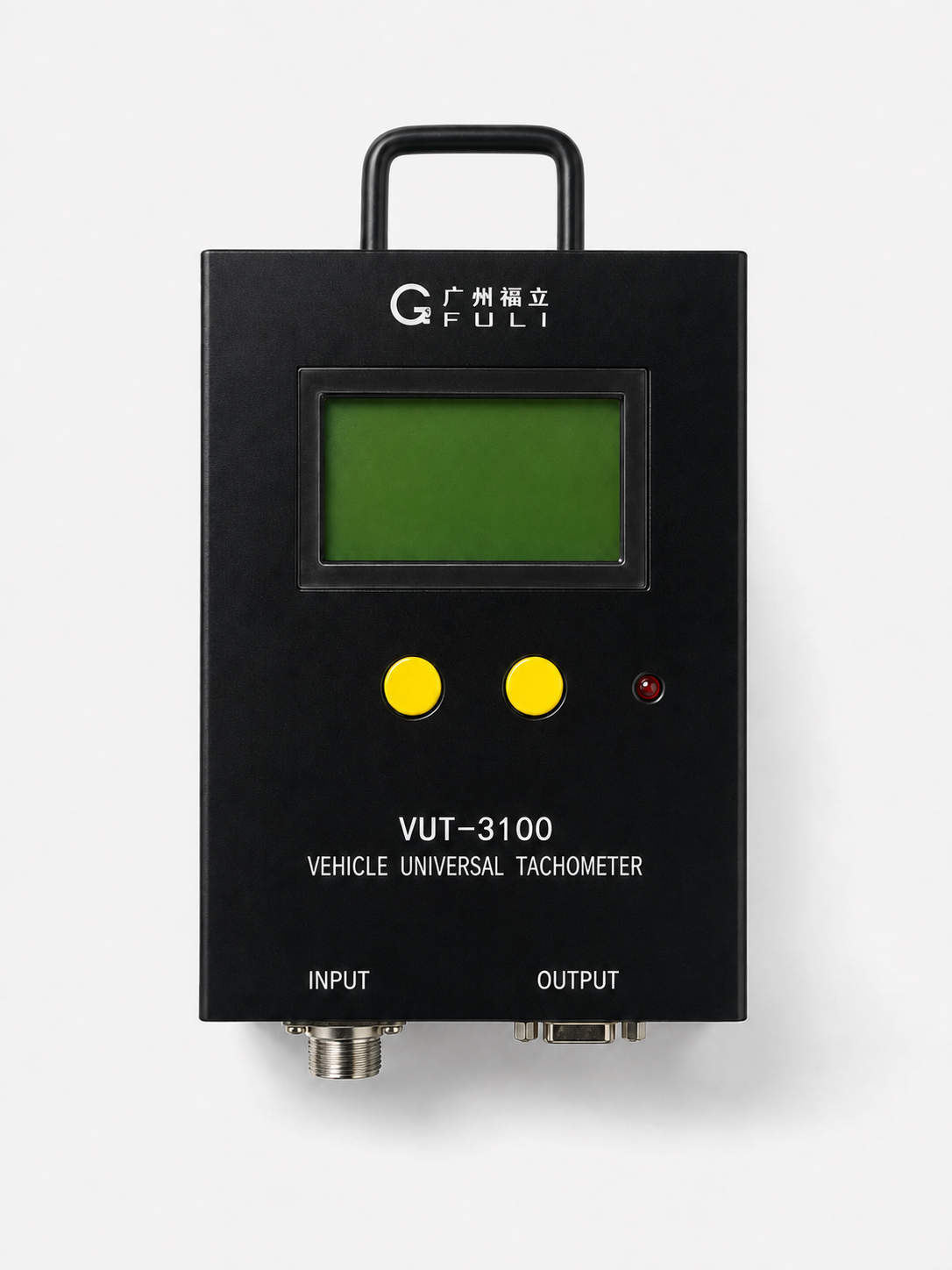
VUT-3100
Vehicle Universal Tachometer
Acquires engine RPM from cigarette-lighter or battery-voltage pulsation, with an optional OBDII module for direct ECU data.
G-mode range: 360–9,000 rpmP-mode range: 360–6,000 rpm
View Details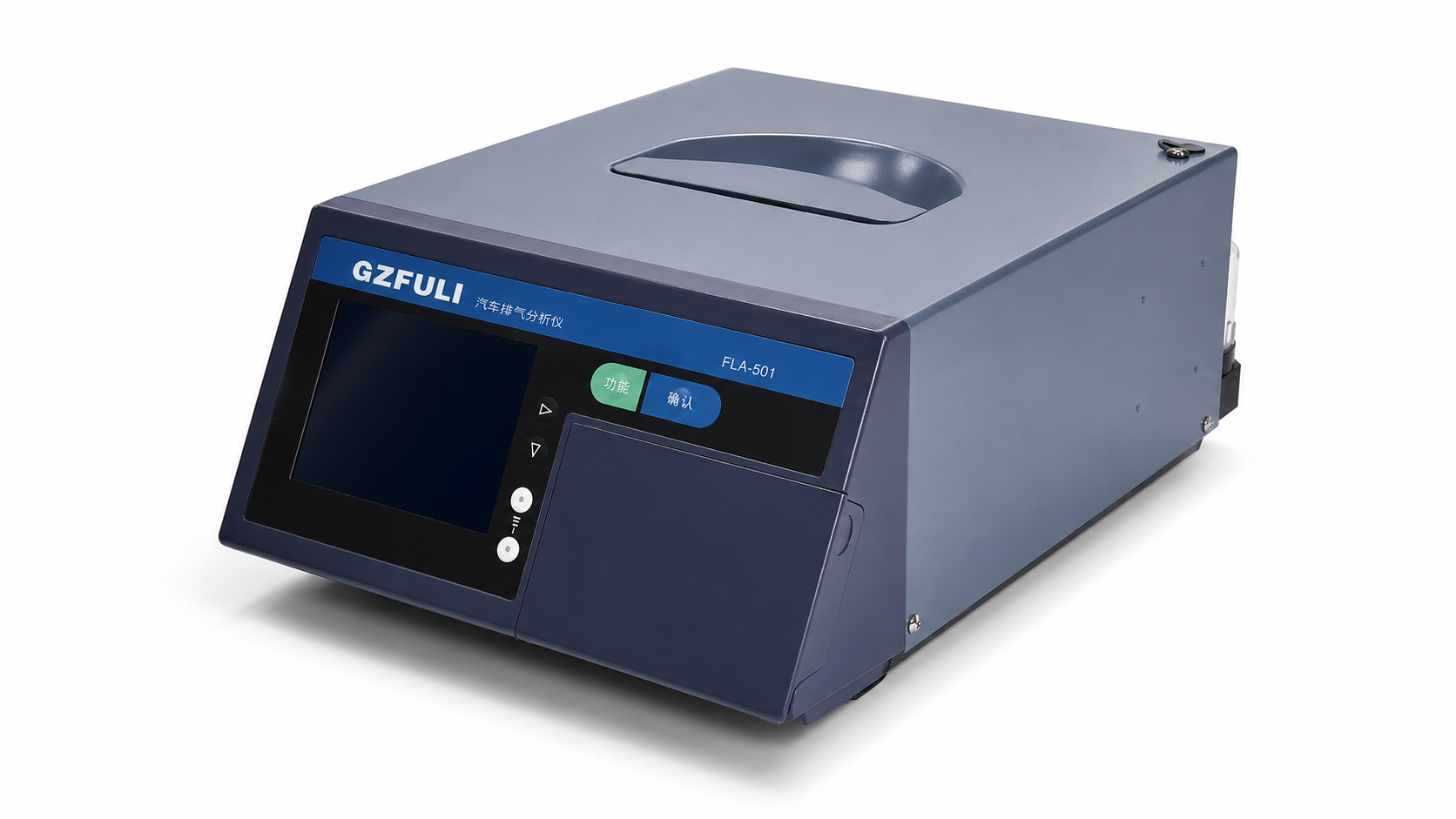
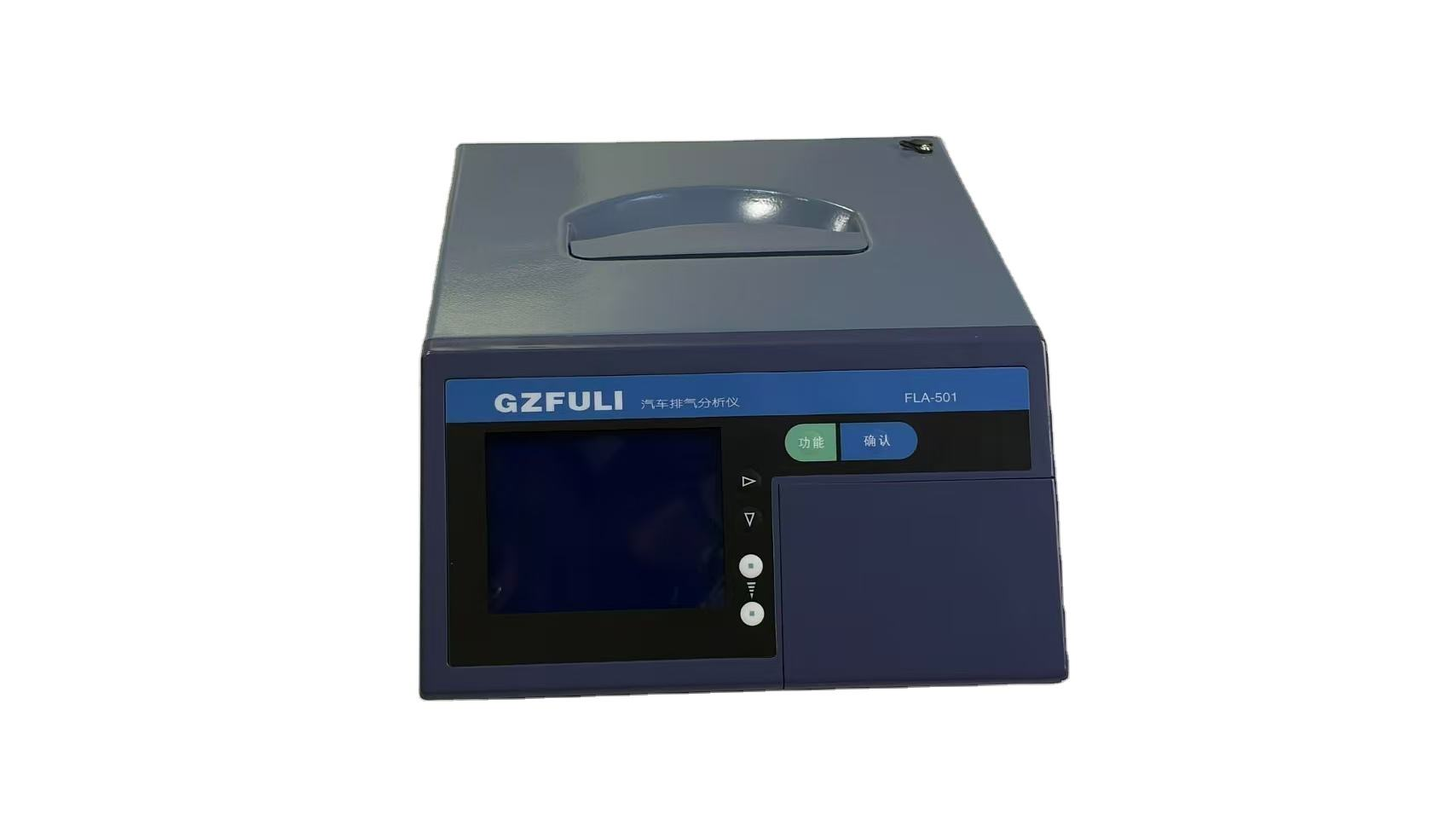
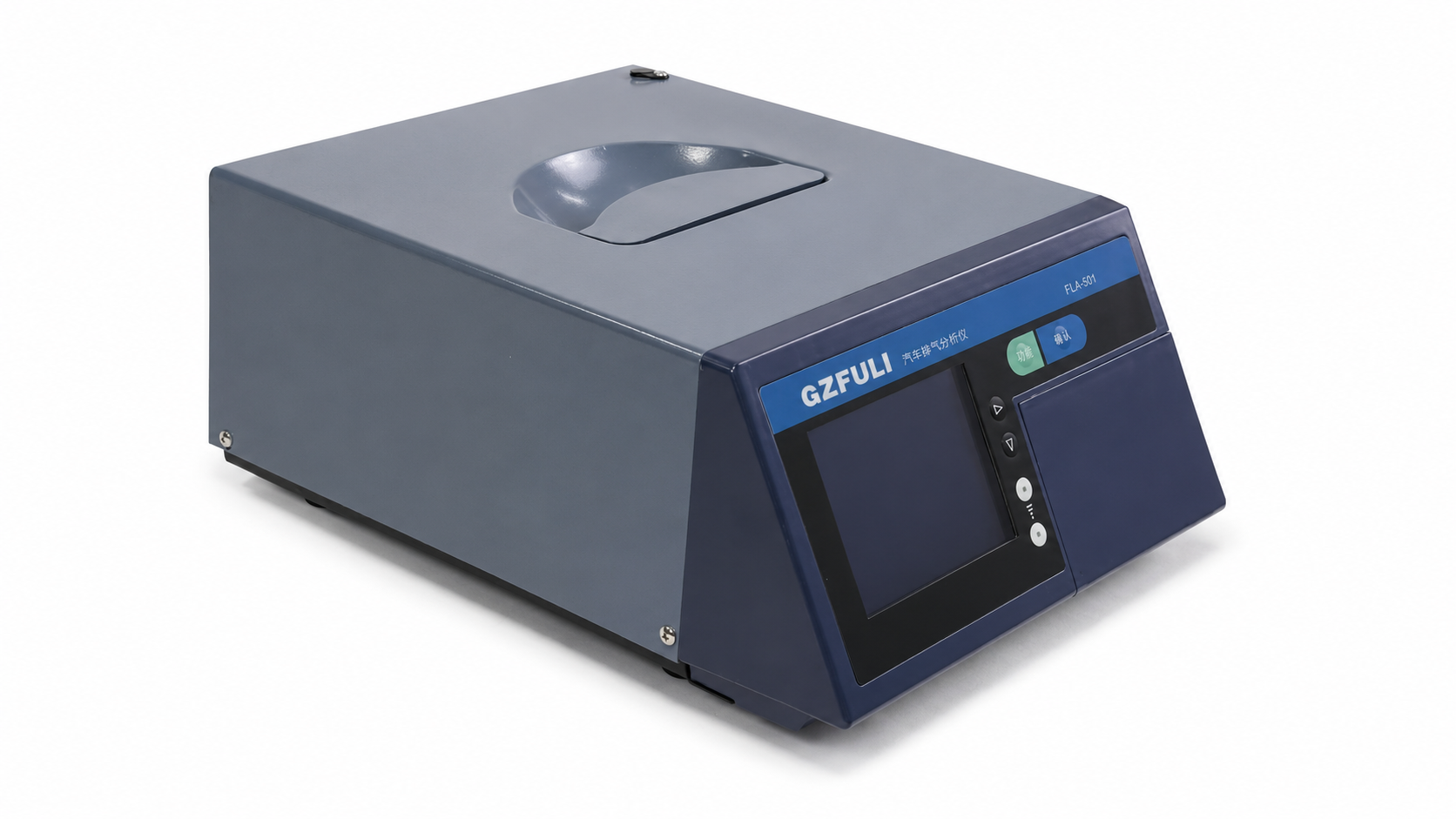
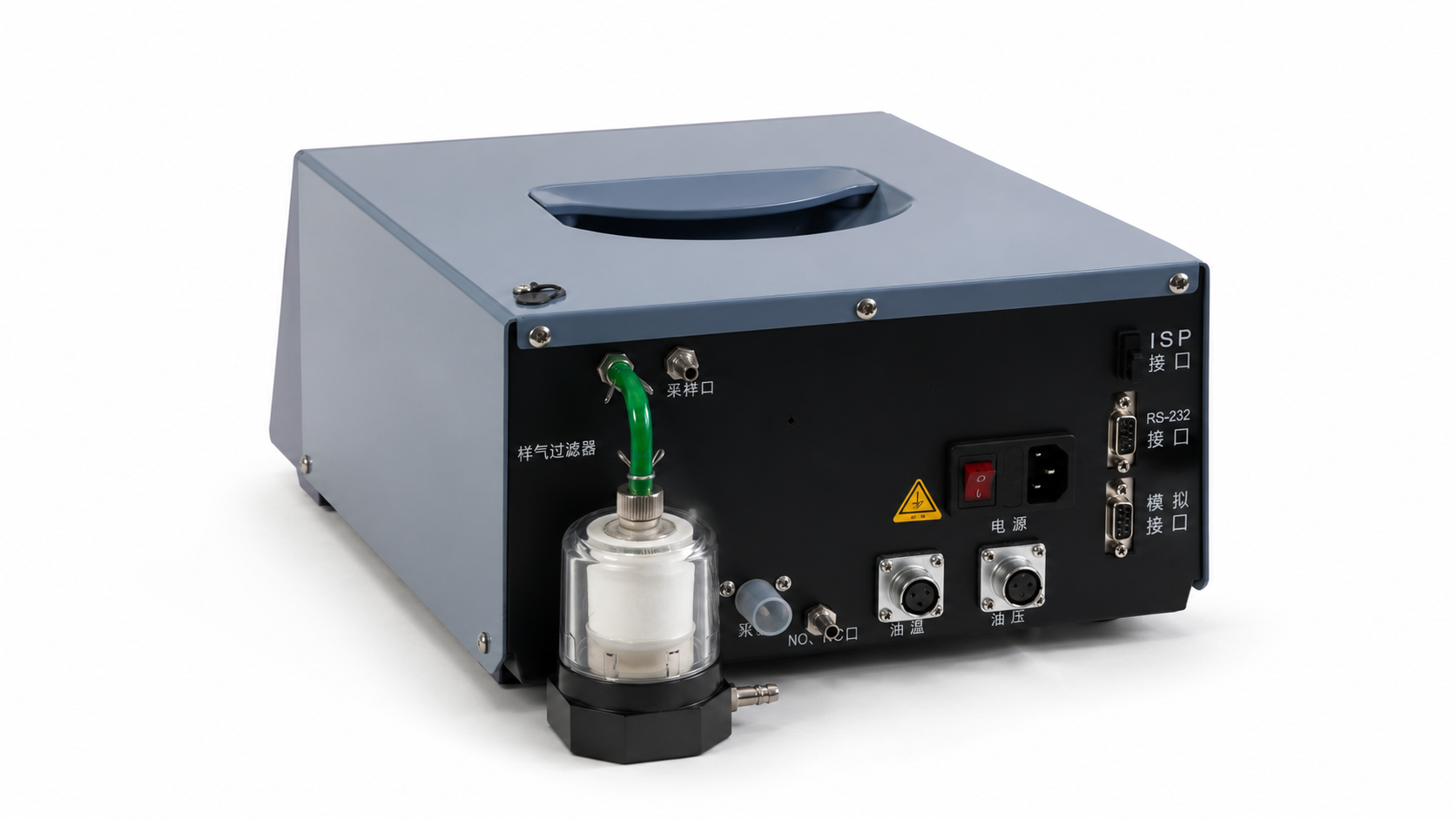
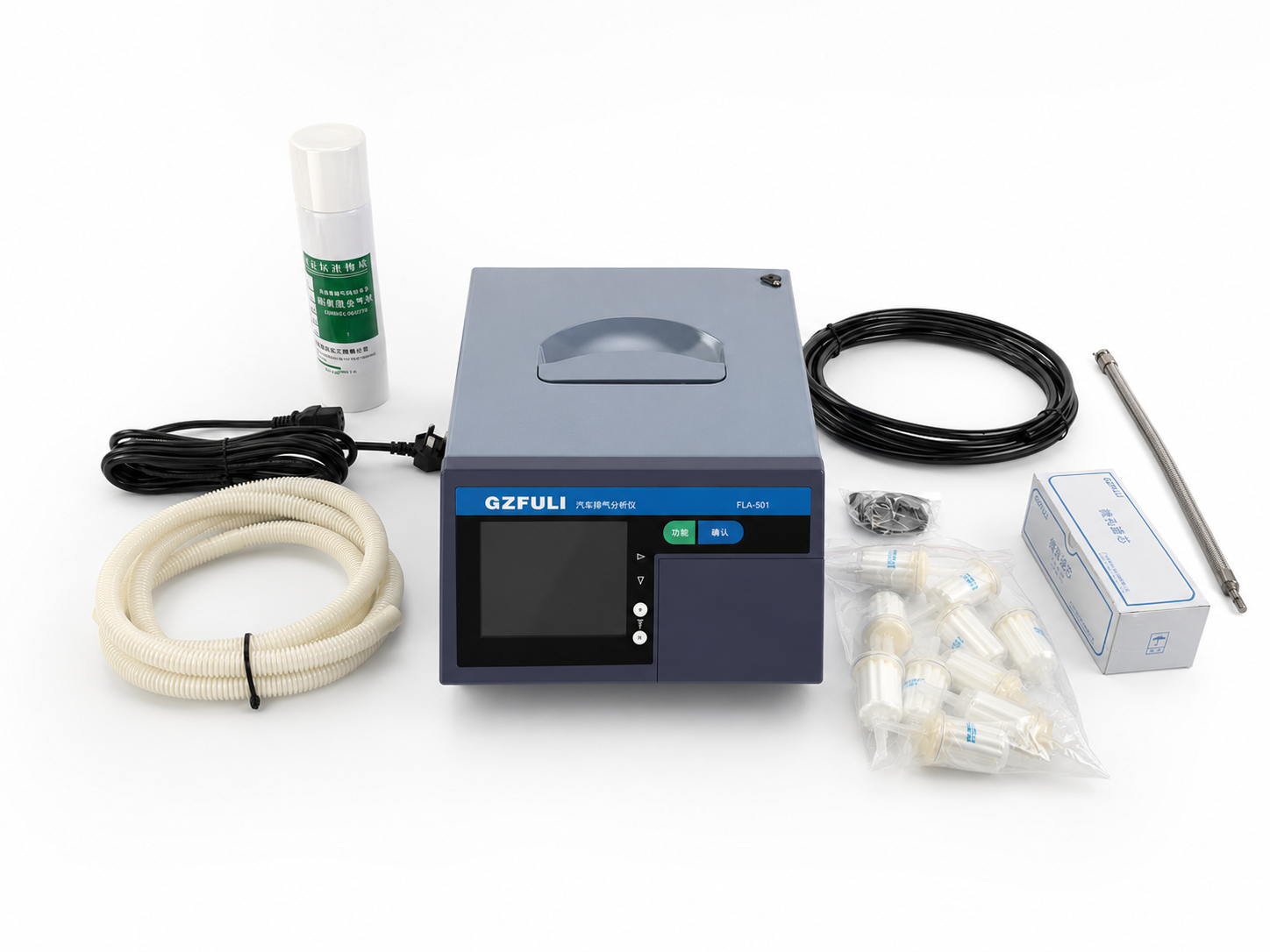
FLA-501
Automotive Emission Gas Analyzer
A three-, four- or five-gas platform for gasoline-vehicle emissions testing, configurable with oxygen, NO, RPM and oil-temperature measurement.
Measured gases: HC / CO / CO₂ / O₂ / NO (optional)HC range: 0–10,000 ppm
View DetailsNeed to confirm the FMP-1 configuration?
Send the application, vehicle class, test items, quantity and expected schedule.